Anti-CD40L prevents meningeal B cell aggregates and mitigates progressive autoimmune encephalomyelitis
Other (27)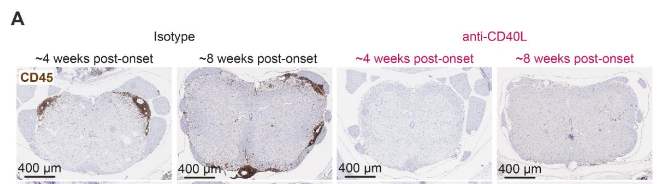
Background
Progressive multiple sclerosis (MS) remains difficult to treat, in part because chronic inflammation persists within the central nervous system (CNS). Meningeal tertiary lymphoid structures (TLS), organised immune-cell aggregates in the meninges, are thought to contribute to sustained neuroinflammation and disease progression.
Aims
The study investigated whether blocking CD40 ligand (CD40L), a key regulator of immune-cell interactions, could disrupt meningeal TLS and ameliorate progressive disease in a chronic mouse model of MS.
Key Findings
- Systemic anti-CD40L treatment eliminated meningeal TLS in the chronic mouse model.
- Treatment halted disease progression and reduced CNS inflammation.
- Anti-CD40L therapy induced sustained changes in CNS antigen-presenting cells, suggesting a broader and durable impact on the local immune environment.
Implications
These findings identify CD40L-mediated immune interactions as a potential therapeutic target for progressive MS. By disrupting organised meningeal inflammation and reshaping CNS immune responses, CD40L blockade may offer a complementary strategy to existing treatments. Further research is needed to establish its safety and efficacy in humans
Conclusion
Targeting CD40L offers a promising therapeutic strategy to combat chronic meningeal inflammation and halt disease progression in a mouse model of progressive MS. By eliminating meningeal TLS and durably reshaping CNS immune responses, this approach highlights the potential of targeting immune-cell interactions to address compartmentalised inflammation that remains difficult to control with existing therapies. Further studies are needed to determine its translational potential for progressive MS in humans.
Full text for further details: Brain
TRR 274 Project leaders contributing to this project: Thomas Korn (A01).