Chronic progressive demyelination induces a microglial state with lysosomal dysfunction
Other (29)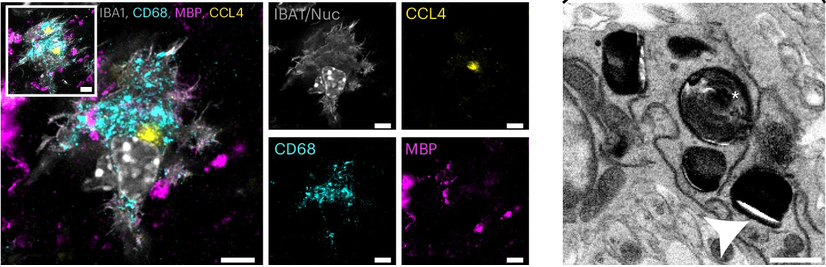
Background
Microglia play a central role in removing myelin debris and supporting tissue repair in demyelinating diseases. However, the effects of chronic myelin damage on microglial function remain poorly understood.
Aims
The study investigated how chronic progressive demyelination affects microglial activation, lysosomal function and lipid metabolism, exploring whether targeting cholesterol metabolism could restore microglial function and promote myelin repair.
Key Findings
- A distinct inflammatory microglial state: Chronic demyelination induced a specific microglial phenotype characterised by persistent inflammatory activity and increased CCL4 expression.
- Lysosomal dysfunction: Microglia accumulated myelin-derived lipids and cholesterol within lysosomes, accompanied by impaired lipid processing and reduced lipid droplet formation.
- Altered cholesterol metabolism: Increased cholesterol synthesis and reduced sterol efflux contributed to lipid accumulation and sustained inflammation.
- Therapeutic potential of DMHCA: Treatment with DMHCA improved cholesterol homeostasis, reduced inflammation and myelin pathology, increased oligodendrocyte numbers and improved motor performance in experimental models.
- Human relevance: CCL4-expressing phagocytes were also identified in chronic active multiple sclerosis lesions.
Implications
The findings suggest that impaired lipid metabolism and lysosomal dysfunction contribute to persistent microglial inflammation during chronic demyelination. Targeting sterol metabolism may therefore offer a promising strategy to reduce neuroinflammation and support myelin repair.
Conclusion
This study identifies microglial lysosomal and cholesterol-processing dysfunction as important features of chronic progressive demyelination. Modulating sterol metabolism may represent a potential therapeutic approach for promoting myelin preservation and repair in progressive demyelinating diseases, including multiple sclerosis. Further studies are needed to establish its clinical relevance.
Full text for further details: Nature Neuroscience
TRR 274 Project leaders contributing to this project: Stefan Berghoff (A06), Arthur Liesz (A02), Martina Schifferer (Z01), Klaus-Armin Nave (C01), Sarah Jäkel (B07), Mikael Simons (A06, B01 and Z02)